Your AI is running.Your P&L isn't moving.
Most AI stalls where data exists but never reaches the decision. I call that theLogic Leak. I find it, put a number on fixing it, and build the fix.
30 min · no pitch · no deck
15+ years in AI · Independent AI consultant and Chief AI Officer / CTO · Managed a $90M+ AI portfolio · Builder of production agents
Systems built for leaders at










What is a Logic Leak?
A Logic Leak is the specific point where data exists and decisions are made but intelligence never flows between them. Most AI does not fail on the models, they fail here.
The method
A.R.T.: 3 stages before the build.
Test the use case, check the operating conditions, and put a number on the value: before anyone builds.
- Applicability
- Name the decision to improve and test whether AI beats a process change, a rule, or existing analytics.
- Readiness
- Check the data that exists, the infrastructure that must run it, and who owns the decision.
- Transformation
- Turn the use case into a defensible P&L figure a CFO can interrogate, before a line of code is written.
4 checks beneath the framework
AI necessity
Is AI needed, or would a process fix, a simple rule, or existing analytics do?
Data sufficiency
Coverage, quality, timing, and whether the relevant examples exist.
Method fit
Rules, prediction, optimization, or GenAI: chosen for the decision and its constraints.
Infrastructure fit
Latency, deployment, residency, and how the result reaches the decision-maker.
- £11MAnnual cost recovery using proactive predictions · Telecom
- 94%Forecast accuracy improved from <60% · High-volume consumables client
- <5sInference reduced from minutes per unit · Automotive
- +10%Margin in year one · Perishable supply chain
Where it's been applied
~$40M impact through promotion-aware D2C forecasting
Read the full case Automotive100%digital inspection coverageFull-coverage quality inspection at production speed
Read the full case Telecom63%pilot churn reduction63% churn reduction through proactive retention
Read the full case Automotive Sales5xlead conversion uplift5x lead conversion through stage-wise sales intelligence
Read the full case“15% profit margin growth in six months. We'd spent 18 months on dashboards that told us what happened. Jitin shifted us to systems that change what happens next.”
“He doesn't deliver a deck and disappear. He stays until the logic is in the system and the team can run it. That's rare.”
Recent work
What I am working on now.
Early pilot · full outcome pending
7,000 → 5,000vendors, with ~$100K/month saved and 15 analyst hours/week freed
Agentic vendor rationalisation
5 agents normalise, research, validate and optimise vendor options across 3M+ SKUs. Procurement keeps the final decision.
Read the caseFinancial impact being measured
93.2% → 97.8%service level across 4,800 SKUs
Multi-echelon inventory
Demand, inventory and replenishment forecasting built from scratch for a US firm.
Read the caseIn daily use
1–2 hrs/daysaved for the owner, across ~30 leads and 70–80 plates a day
Agentic AI for a steel trader
I designed and coded both agents. Owner approvals govern lead changes, and people review flagged plate exceptions.
Read the caseShowcase on simulated data
Twin demoblast-furnace showcase on simulated data
Industrial IoT and digital twin
Equipment-health consulting plus a digital twin that combines descriptive, predictive and prescriptive views. A live version is in development with an industrial client.
Recent agritech work includes animal-health consulting.
Explore GenAI and agent casesTeaching
Applied AI, from students to leaders.
Alongside building, I teach: 6 sessions for engineering students, corporate AI training for manufacturing, trading and civil-works teams, and AI Profit OS for leaders. The beta cohort rated AI Profit OS 5/5.
Explore AI Profit OSWriting as proof
All writing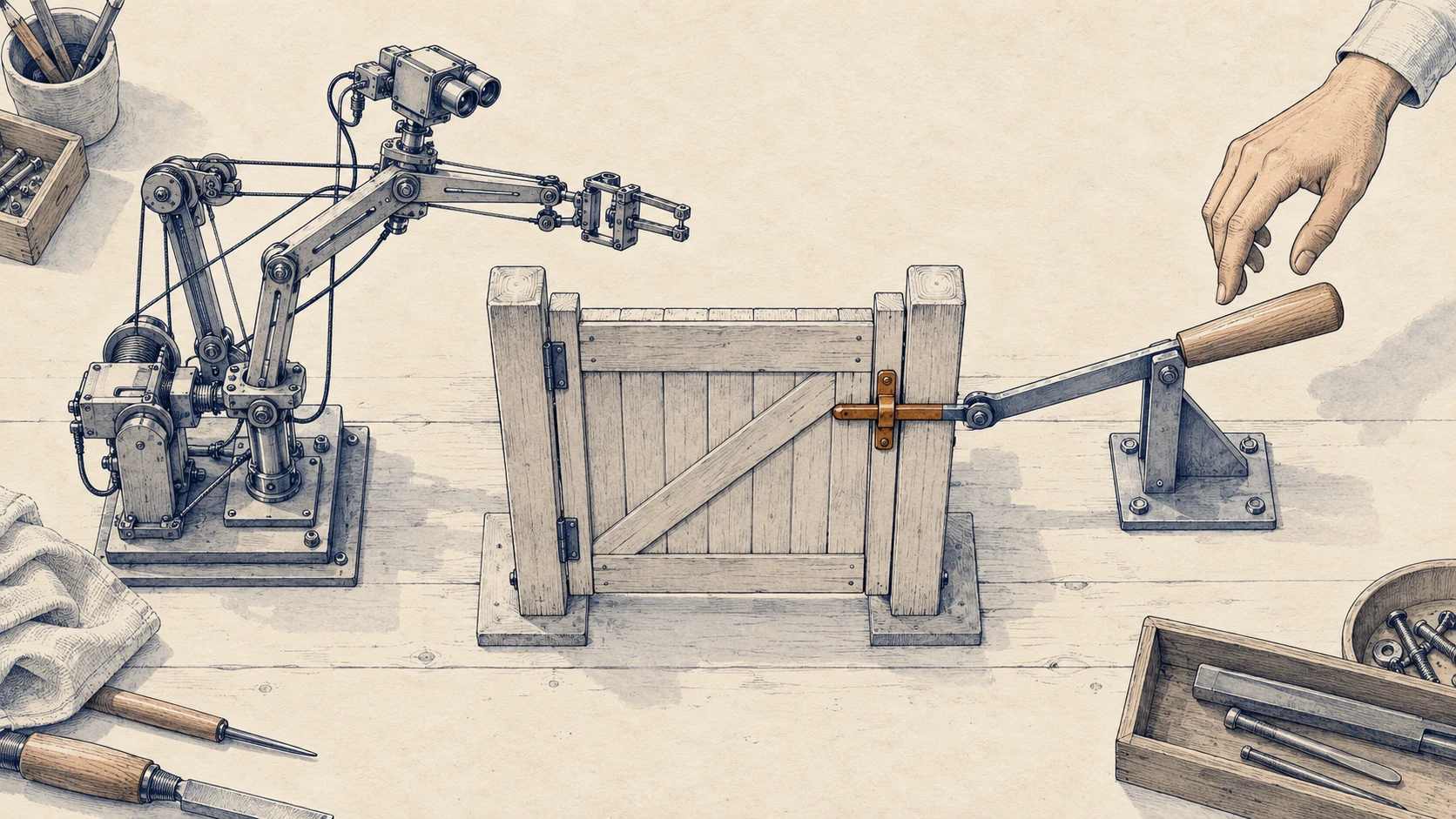
Framework
Do You Need an AI Agent, an AI Workflow or Automation?
Most “I need an AI agent” requests need an AI workflow or plain automation. 3 questions show which, before you build the wrong one. Ask them separately.
Strategy
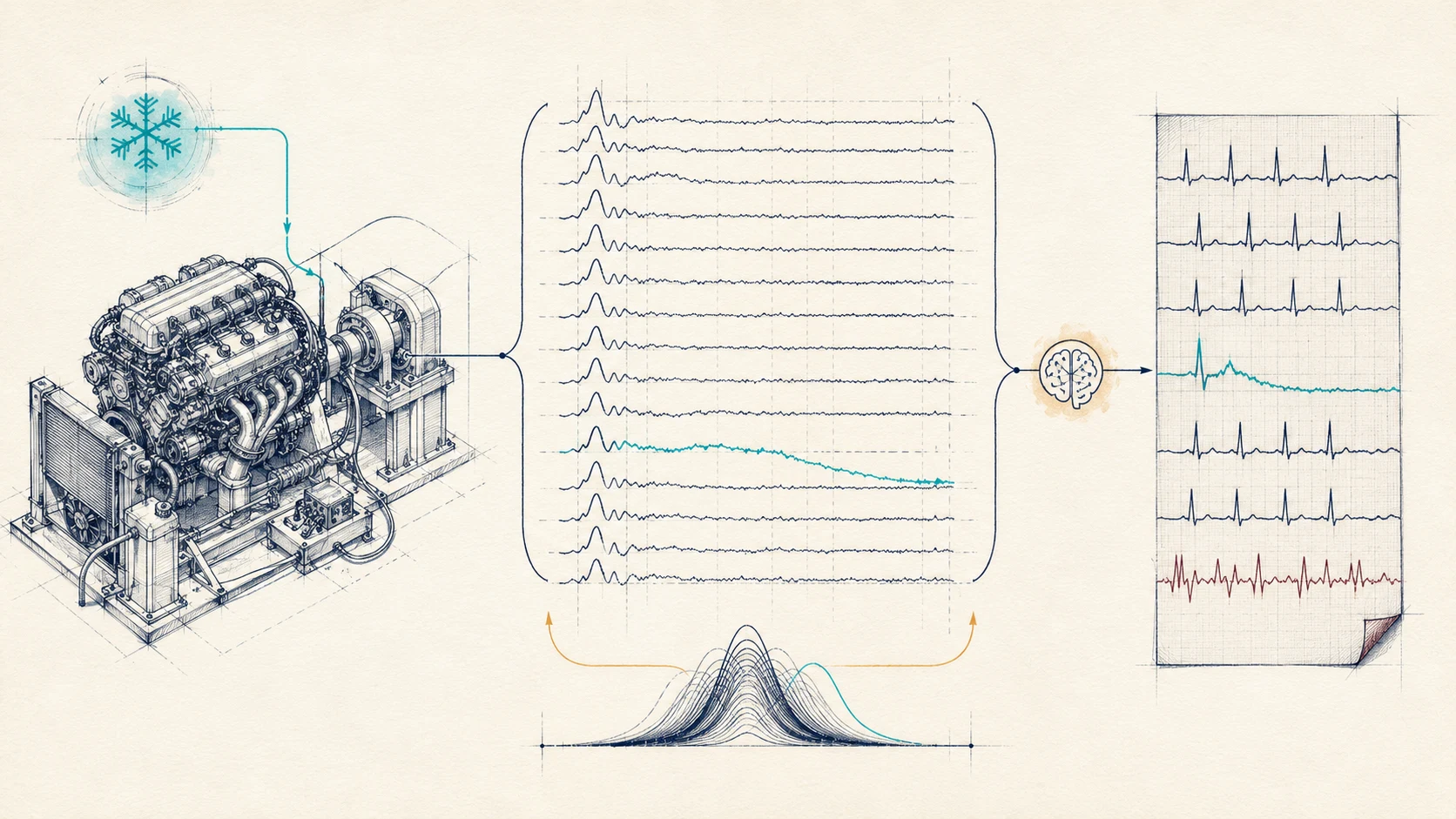
How Do You Detect Faulty Engines Using AI On Small Samples?
ECG-style anomaly detection flagged faulty engines in under 5 seconds by defining what normal looks like first, using 20 faulty examples in 1.3M units.
Business
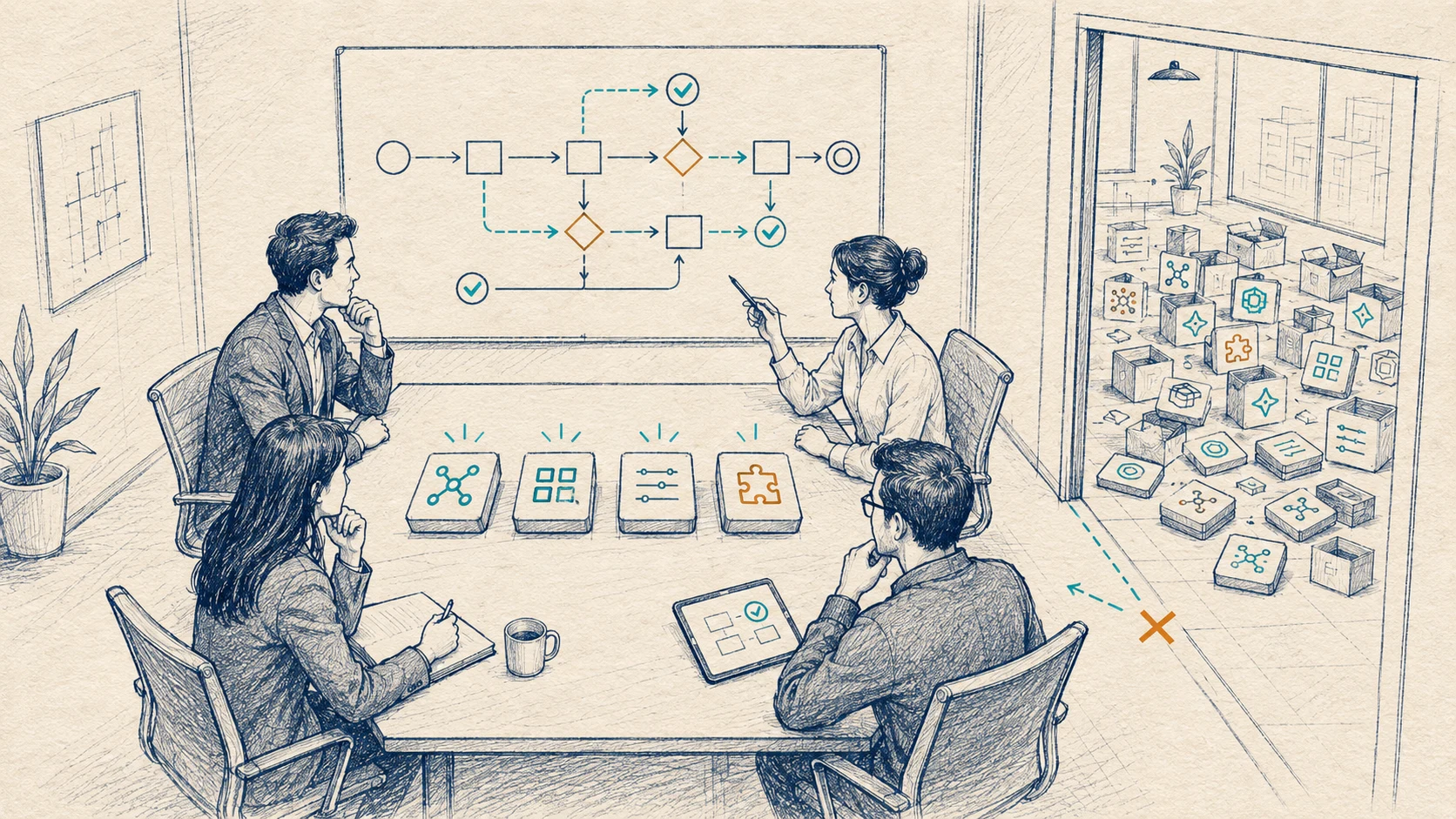
Who Should Explore AI Tools Inside a Business?
Give AI tool exploration to people who learn fast and understand systems, not by job title, and make every trial leave a record. A simple operating rule.
The background
I'm Jitin Kapila, a mechanical engineer turned Chief AI Officer / CTO and founder of Kriyalytics Solutions. I've spent 15+ years where business strategy, AI and delivery meet — across manufacturing, FMCG, logistics, telecom and automotive.
The companies whose logos appear above are ones I have built systems for. Not advised on with decks. Built for.
I still debug production systems and read the code, and I help translate what the data-science team is actually saying into language a CFO can act on. What I am not: a vendor. I do not sell platforms or take referral fees.

Ways to work
Where are you in the journey?
- $93 · 12-question diagnosticAI Profit QuotientFind exactly where your problem sits on the AI spectrum — and what to do about it — before you commit to a sprint.Take the diagnostic
- 1–2-week AI audit, depending on scope · or embedded leadershipAudit & Fractional CTO / CAIO / CIOGo deeper: a Logic Leak Audit scores your AI, data and system maturity and gives you the next best steps and a growth-and-savings AI roadmap — or embed part-time tech, AI and IT leadership as your Fractional CTO / CAIO / CIO.Book a Clarity Call
- Focused projectsWork with me on UpworkStart with an AI assessment or architecture review. I also support agencies delivering AI work for their clients.Hire me
Common questions
What is the A.R.T. Assessment?
Applicability, Readiness, Transformation: assess whether AI is needed, whether the data is sufficient, whether the method fits the problem, and whether the infrastructure can support it. Define the operating decision and the business result before committing to a build.
What is a Logic Leak?
A Logic Leak is the specific point in an organisation's operations where data exists and decisions are being made, but intelligence is not flowing between them. The data that could improve a decision is not reaching it — due to structural, architectural, or process gaps. Identifying and closing the Logic Leak is the central diagnostic task in most AI strategy engagements.
What does an AI strategy consultant do?
An AI strategy consultant identifies which operational problems are worth solving with AI, defines those problems in terms a technical team can build from, quantifies the expected return before investment, and provides independent guidance that is not tied to any vendor or platform.
How do I know if I need an AI strategy consultant?
3 signals: (1) your AI pilots produced results in isolation but have not moved the P&L; (2) you are being asked to make an AI investment decision without a framework for evaluating it; or (3) an active AI programme is underway but results are not tracking to the original business case.
How do you calculate ROI before the model is even built?
ROI is calculated by mapping your current operational baseline (defect rates, inventory holding costs, manual processing time) against the known capabilities of standard AI architectures. We don't guess what the model will do; we calculate what the business process must achieve to justify the investment, setting a strict performance target for the build.
Do you build the AI models or just advise on them?
Both. I architect, quantify the return, and build hands-on where it matters — the steel-trading agents in daily use were designed and coded by me. On larger programmes I lead the build team or oversee vendors.